Seawater Desalination
Stable pretreatment.
Ready for desalination.
Seawater desalination provides an important water source in freshwater-scarce regions. Typical seawater turbidity in this application is 10–50 NTU, while warm conditions and algal blooms can increase biological loading.
Reverse-osmosis and thermal desalination processes require feed-water preparation matched to their operating requirements. Ceramic filtration manages suspended material and algae before the downstream desalination stage.
Changing marine conditions.
Demanding pretreatment.
Seasonal algae, coastal sediment and changes at the intake cause fluctuations in suspended solids and biological loading. Pretreatment must maintain consistent feed quality as these conditions change.
Conventional hollow-fibre PVDF ultrafiltration often follows sand filtration or dissolved-air flotation. Discarded PVDF materials can readily cause secondary environmental pollution.
Direct ceramic filtration.
Simpler marine pretreatment.
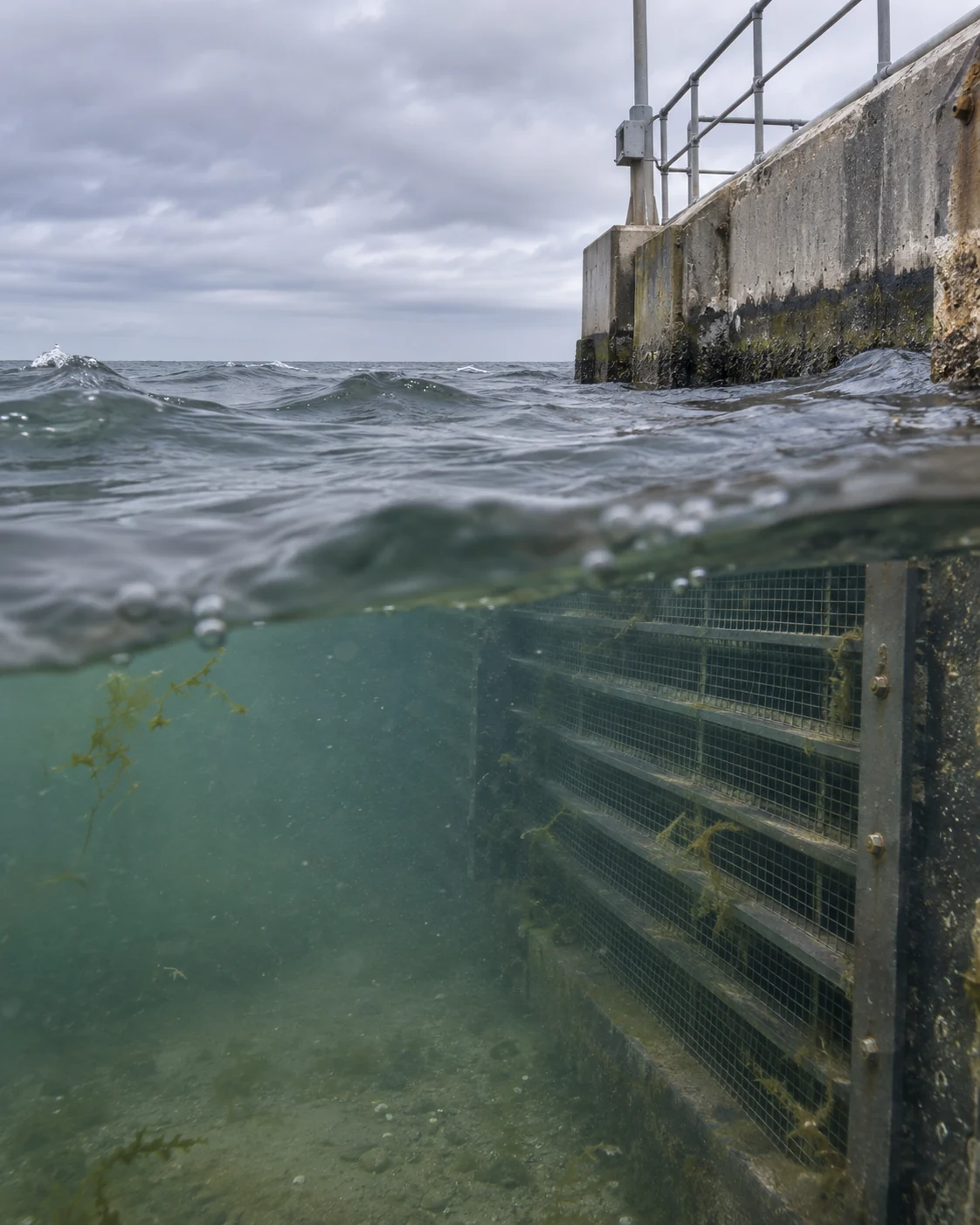
Super Cerafilter provides filtered-water turbidity below 0.1 NTU and retains algae and fine suspended particles. Suitable seawater can feed directly to ceramic filtration, reducing or omitting separate sand filtration or flotation where intake analysis supports this arrangement.
Durable ceramic membranes, thorough cleaning and simple operation support long service life and lower maintenance demand, without PVDF membrane material in the filtration stage. Seawater-compatible components and downstream process requirements are incorporated into the final design.